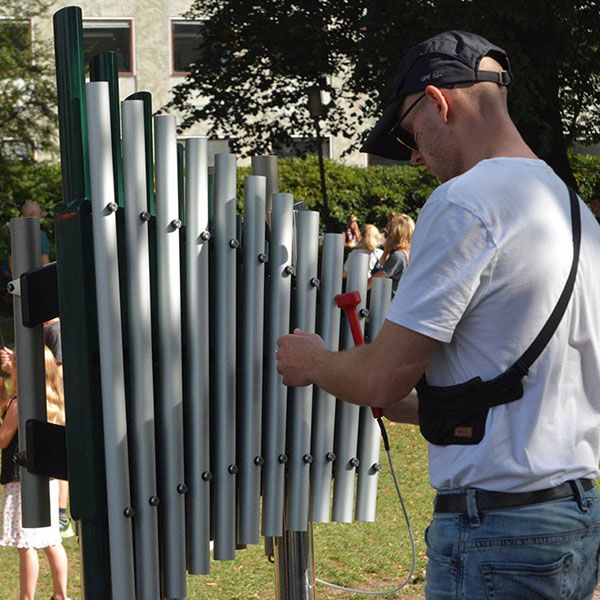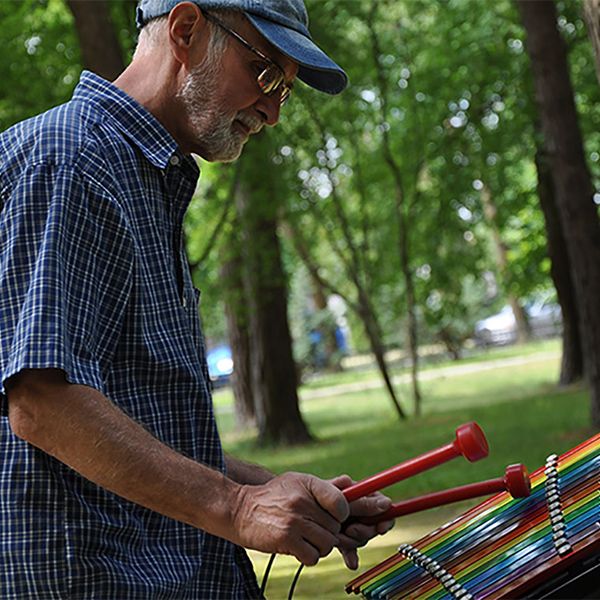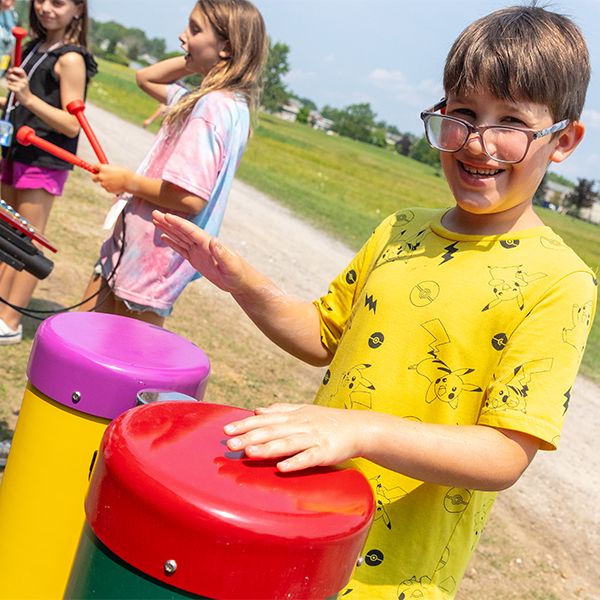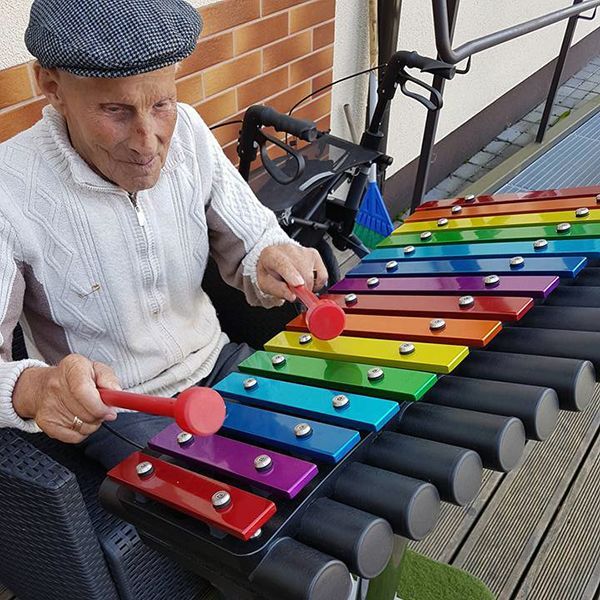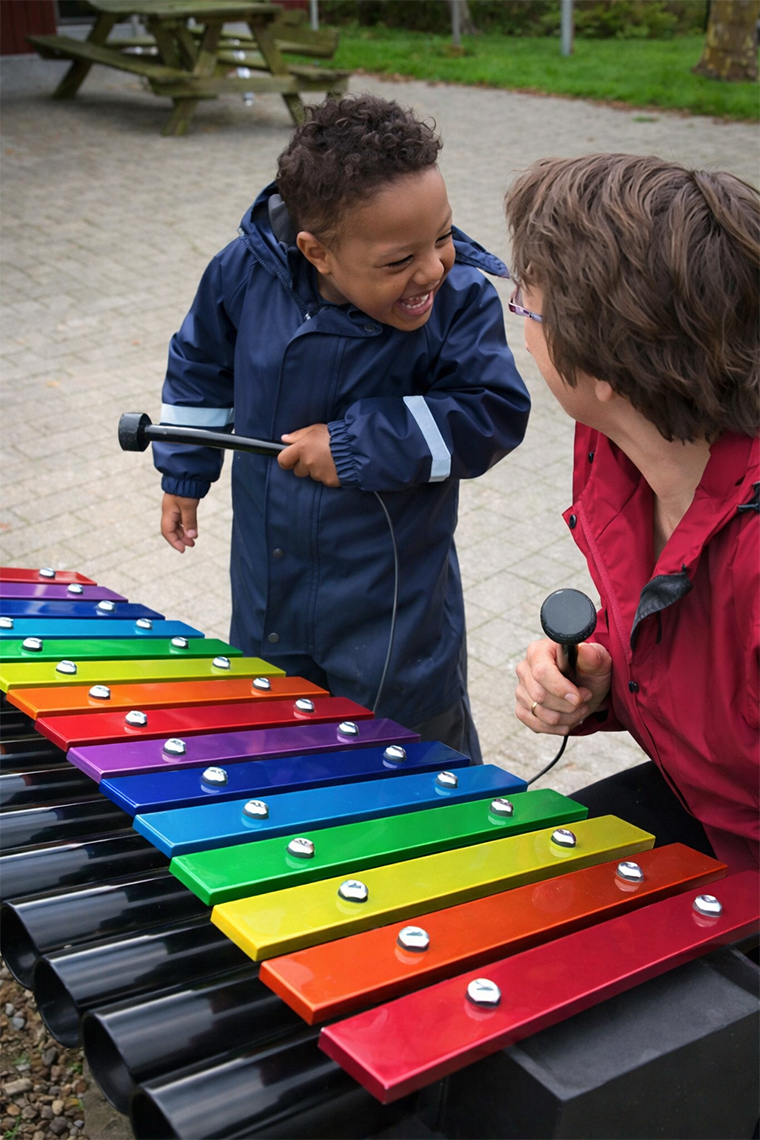
Outdoor learning plays an important role in supporting children with Special Educational Needs (SEN). For many pupils, outdoor environments provide space, freedom, and sensory balance that can be harder to achieve indoors. When music is introduced into these spaces, it creates powerful opportunities for inclusion, communication, and emotional regulation.
Outdoor musical instruments are increasingly being used by SEN schools as a practical and engaging way to support learning, wellbeing, and social development. Designed for intuitive, accessible play, they allow children of all abilities to explore sound and rhythm at their own pace.
Music is a universal language. It does not rely on verbal communication, reading ability, or prior musical knowledge, making it naturally inclusive for children with a wide range of needs.
For many SEN pupils, music provides a safe and expressive outlet where they can participate without pressure or expectation. Engaging with rhythm and sound can help support:
Importantly, children can choose how they engage - actively playing, observing quietly, or joining in alongside others.
Children with SEN often experience the world in highly sensory ways. Outdoor musical instruments offer rich multi‑sensory engagement through sound, vibration, touch, and movement, helping children explore cause and effect in a meaningful, enjoyable way.
Unlike traditional playground equipment, musical instruments do not require speed, competition, or physical strength. A gentle tap, repeated rhythm, or even a pause can all be valid forms of interaction. This makes outdoor music especially valuable for pupils who may feel overwhelmed by more conventional play experiences.
Used regularly, outdoor musical instruments can support:
Many children on the autism spectrum show a strong interest in music. Predictable sounds, repeated rhythms, and harmonious tones can feel reassuring, helping to create a sense of calm and focus. Music also offers a non‑verbal way to communicate and express emotions, which can feel more accessible than spoken language.
Outdoor musical instruments can also support neurodivergent learners more broadly by offering flexible, pressure‑free ways to engage. Children can play independently, alongside peers, or as part of a small group, depending on their comfort level and needs.
One of the most valuable aspects of outdoor music in SEN schools is its ability to support connection without forcing interaction. Children can mirror rhythms, take turns, explore sounds together, or simply enjoy shared experiences side by side. These moments can help:
Music becomes a shared experience rather than a structured task, which can be especially beneficial for children who struggle in traditional classroom environments.
Outdoor musical instruments specified for SEN schools must be safe, robust, and reliable. High‑quality instruments designed for outdoor use are built to withstand daily play while remaining accessible and low maintenance. Key design considerations include:
This makes outdoor musical instruments suitable for year‑round use in SEN school grounds, providing long‑term value and reassurance for staff.
Outdoor musical spaces can offer pupils a place to reset, regulate, and feel grounded. Whether used during break times, therapy sessions, or structured outdoor learning, music can help children manage emotions and transitions throughout the school day.
Some pupils may use outdoor instruments as a calming activity, while others may use them for energetic expression. Both approaches are equally valid and beneficial. Crucially, outdoor music allows children to choose how and when they engage, supporting autonomy and emotional safety.
Investing in outdoor musical instruments supports wider SEN education goals by:
When thoughtfully integrated into school grounds, outdoor musical instruments become part of a whole‑school approach to inclusion, wellbeing, and child‑centred learning.
Outdoor music creates moments of calm, joy, and connection in SEN schools. By offering accessible, engaging musical experiences outdoors, schools can support every child’s right to play, express themselves, and belong - through the simple, powerful language of rhythm.
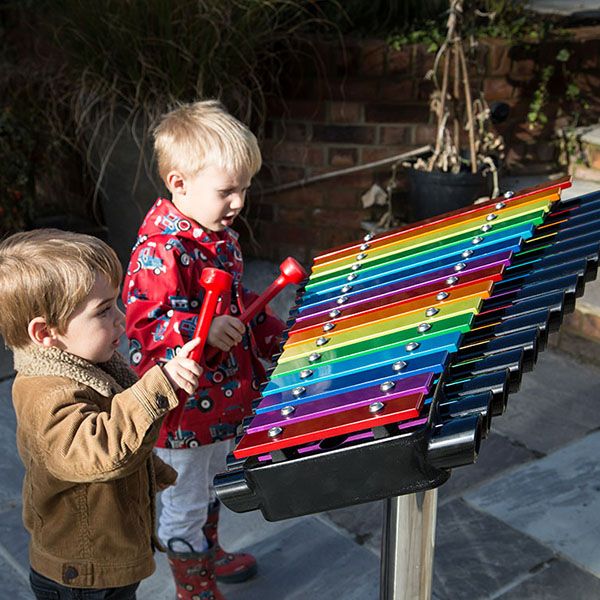
Discover the Rainbow Cavatina outdoor xylophone, featuring vibrant anodized rainbow notes that pair perfectly with Percussion Play Music Books for fun, accessible outdoor music‑making.
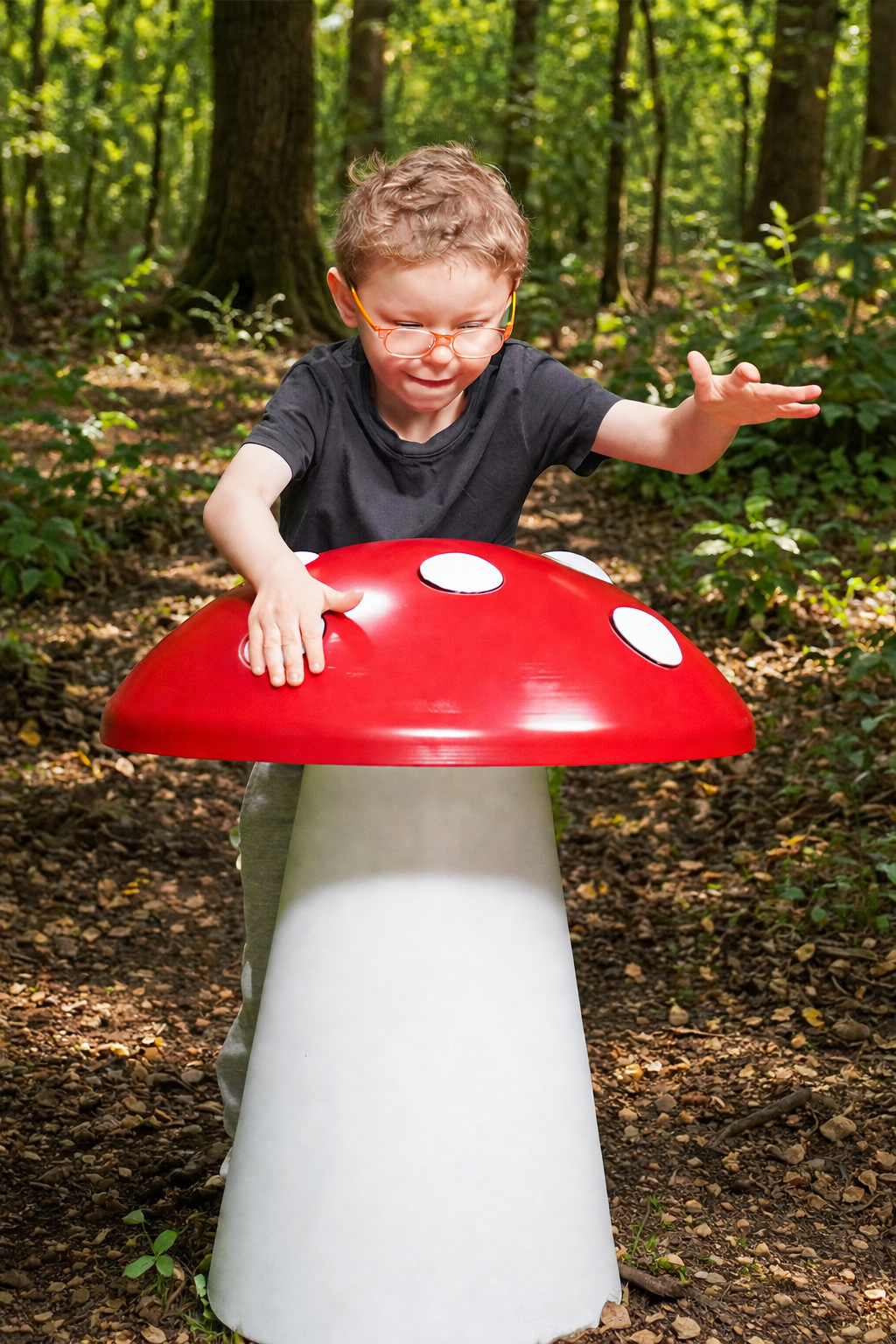
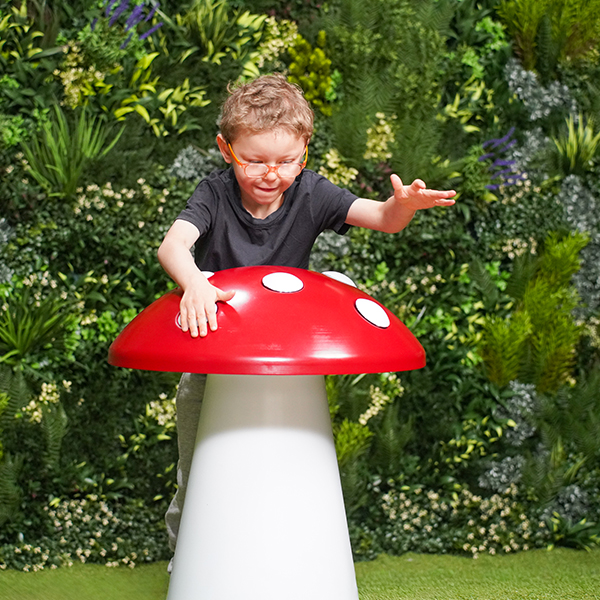
Discover the Toadstool outdoor musical instrument – 8-note C-major diatonic scale, fun and durable for early years, libraries, and nature play spaces
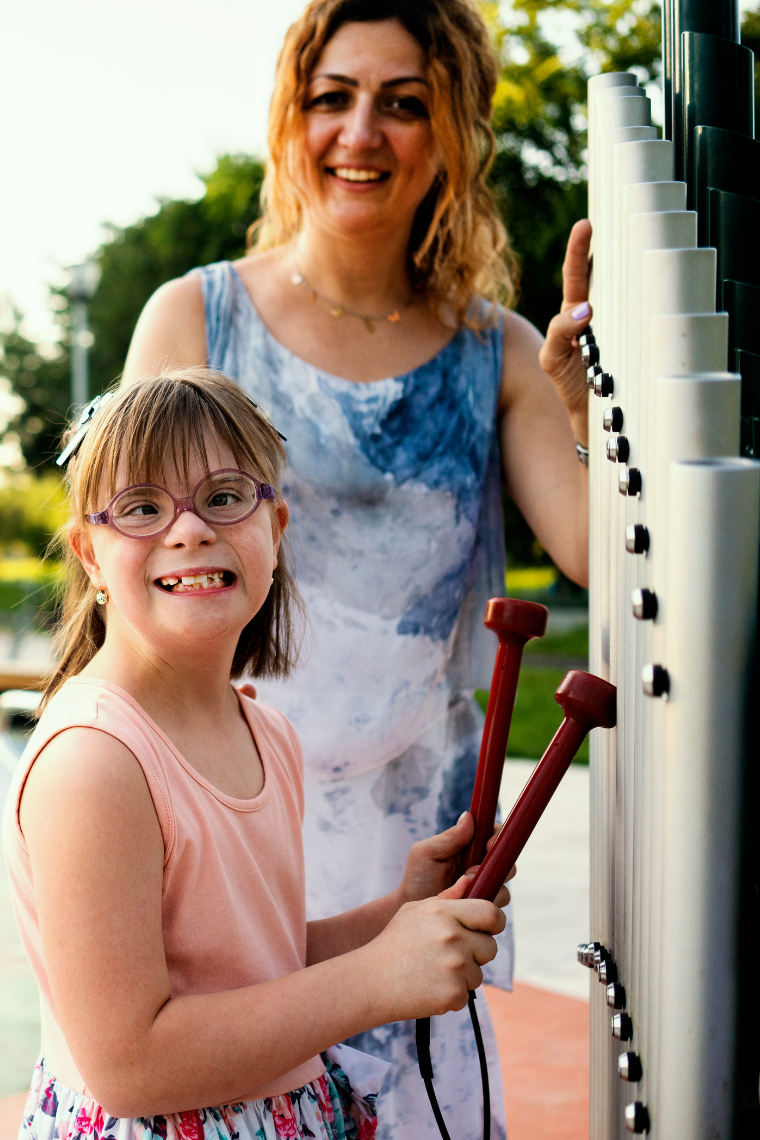
Discover The Cherub, an elegant addition to sensory gardens, offering beautiful sounds for children and special needs environments. Perfect for schools and hospitals.