Building a Brighter Future in Bucharest with Inclusive Sensory Play
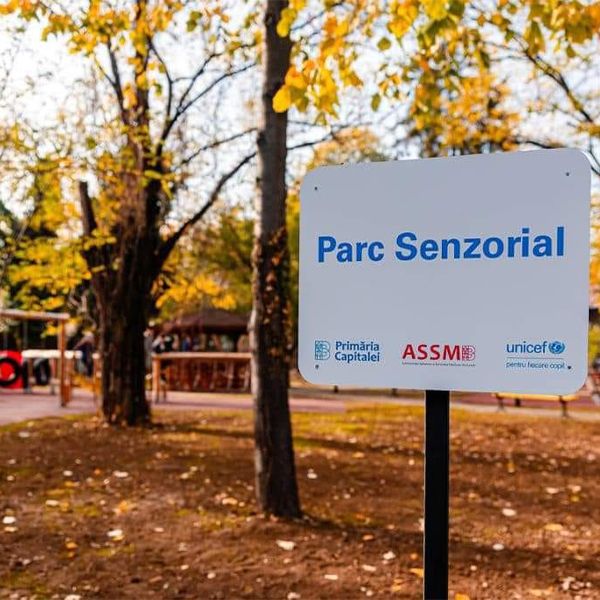
Children and teenagers at the “Prof. Dr. Alexandru Obregia” Psychiatric Hospital in Bucharest, Romania, now have access to a new sensory park designed to support inclusive play, therapy, and wellbeing. The outdoor space enables children to enjoy music, learn, socialise, and engage with carefully planned sensory experiences in a calming natural environment.
The park is a joint initiative by Bucharest City Hall, the Bucharest Hospitals and Medical Services Administration, and UNICEF Romania. It serves a dual purpose - functioning as a therapeutic setting for children with autism spectrum conditions (ASC), ADHD, and other neurodevelopmental conditions, while also supporting adolescent mental health and social interaction.
By engaging with specific sensory stimuli, children are supported in developing awareness and regulation of their responses to external environments.
A First Step Toward a Child‑Friendly City
According to Bucharest’s General Mayor, Nicuşor Dan, this is the first project of its kind in Romania. He explains, “We want to make Bucharest a more child‑friendly city and offer children more quality services. The memorandum we signed with UNICEF, within the framework of the Child‑Friendly Cities Initiative, was a first step, followed by concrete actions such as the installation of this sensory park.”
The project signals a wider commitment to child-centered urban planning and inclusive public spaces that prioritize wellbeing, accessibility, and participation.
Supporting Mental Health Through Sensory Environments
Anna Riatti, UNICEF Representative in Romania, highlights the urgent need for accessible mental health support: “One in ten children in Romania needs such services every year, and I am glad we can take meaningful steps in this direction with our partners in Bucharest.”
The sensory park offers children and their families opportunities to explore how different stimuli influence emotional responses. Through gradual, supported exposure, children can better understand personal triggers and learn strategies for self‑regulation in everyday settings.
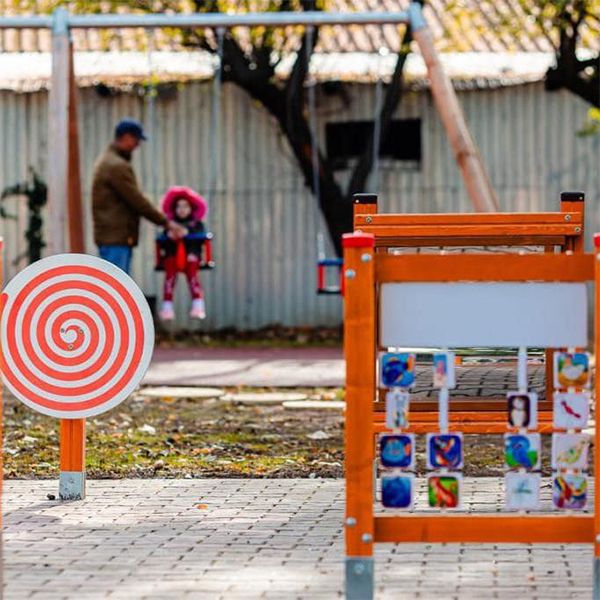
The space includes carefully designed elements that stimulate the senses:
- Visual and auditory features
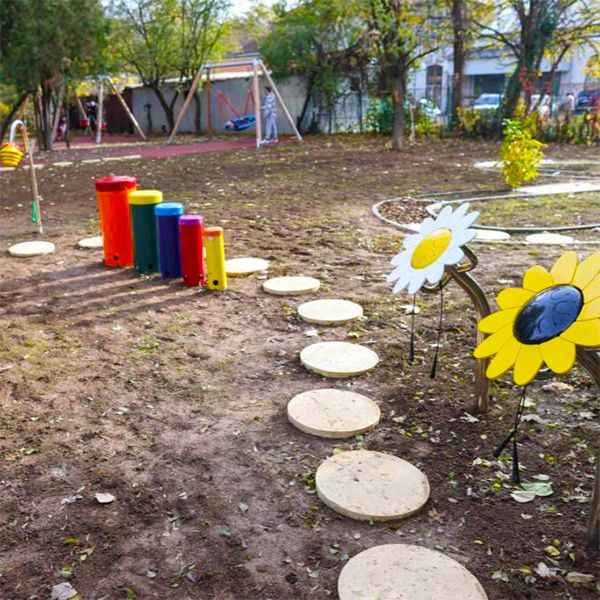
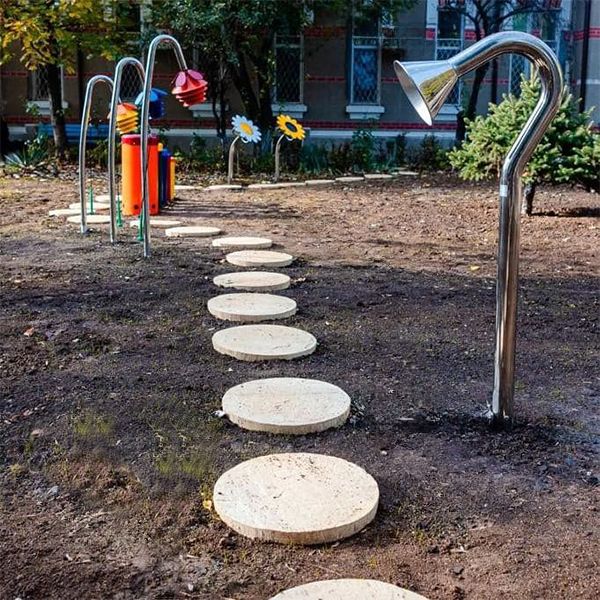
- Tactile experiences, such as a sensory path with varied textures for barefoot walking
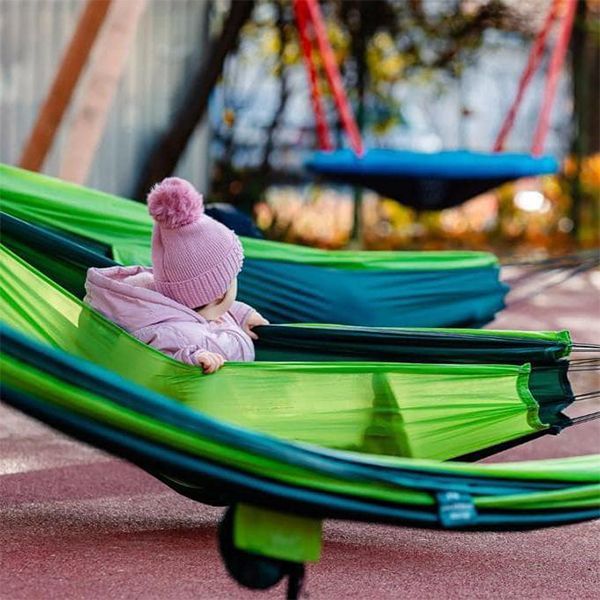
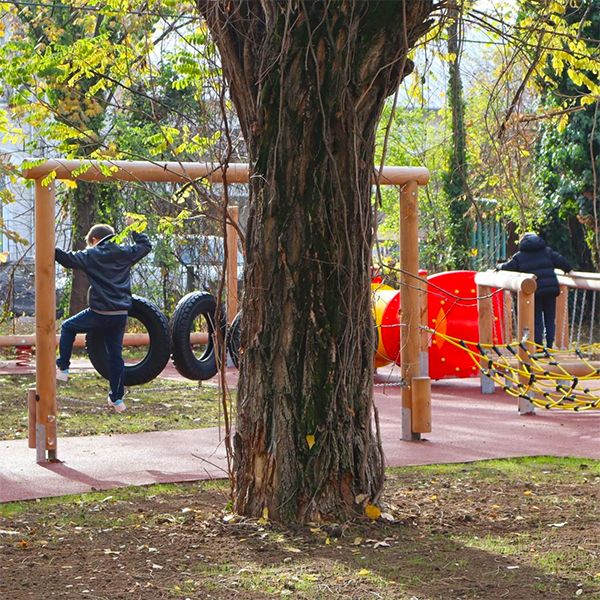
- Kinesthetic equipment, including hammocks and specialist swings that support balance and body awareness
Music‑Led Therapy and Social Connection
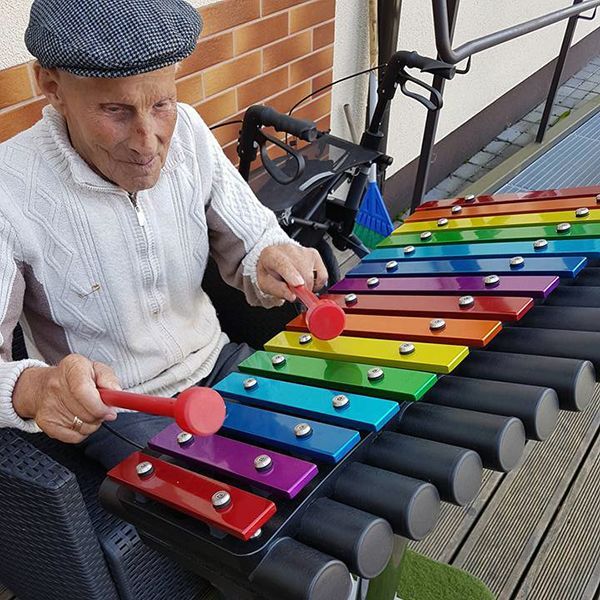
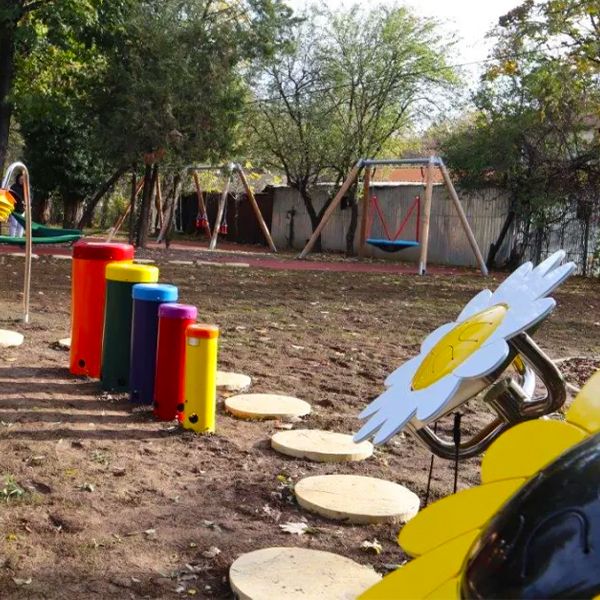
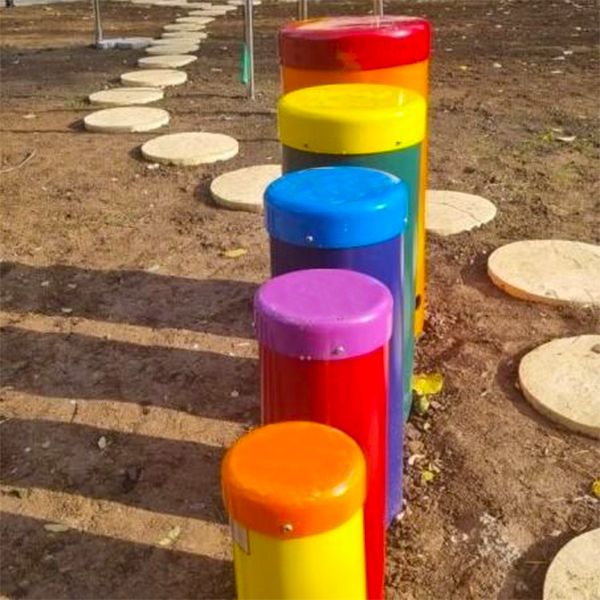
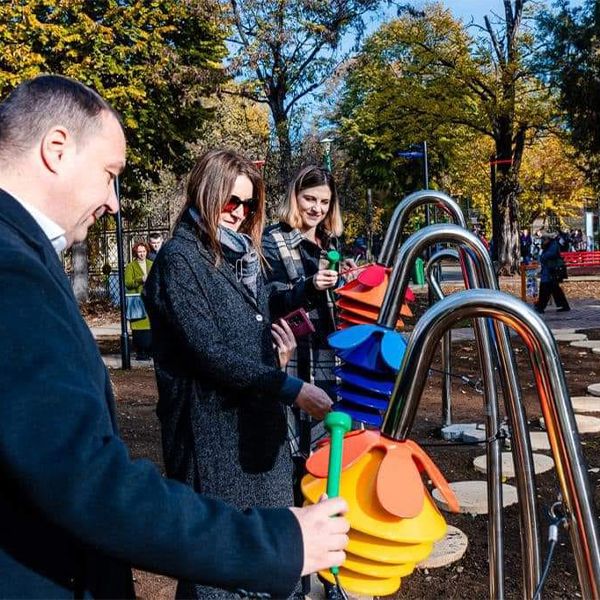
Auditory experiences play a key role in the park’s therapeutic design. Selected outdoor percussion instruments offer gentle, musical stimulation that encourages social play, cooperation, and shared creativity between children, hospital psychotherapists, and visiting family members.
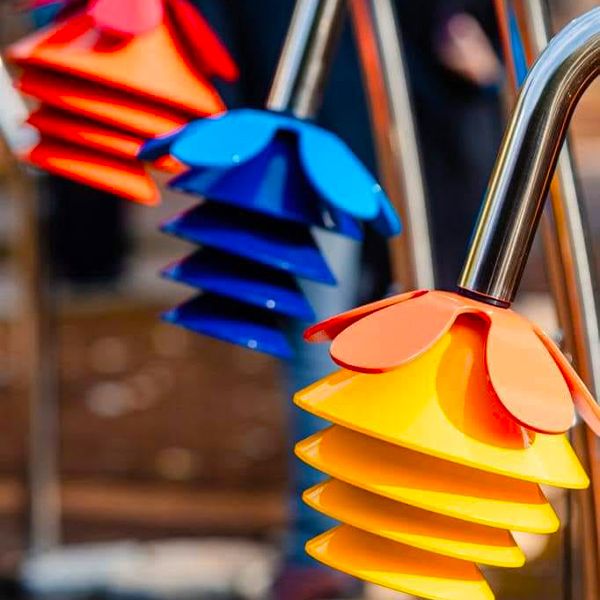
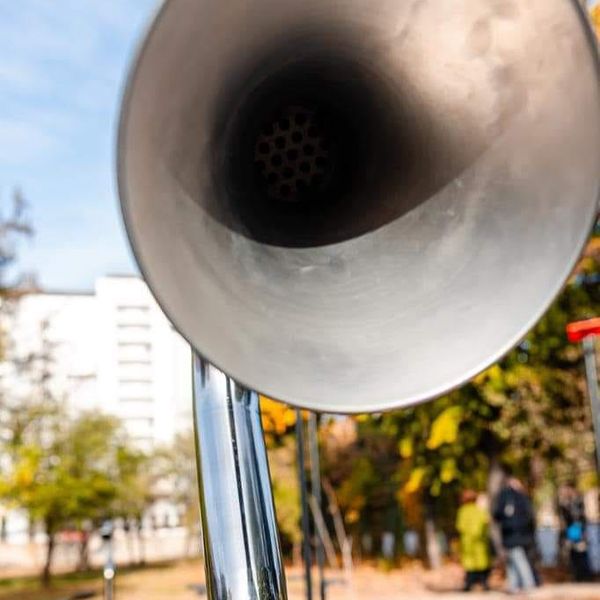
The park’s architect selected five instruments from Percussion Play's Inspired by Nature range, including Harmony Bells, Sunflower, and Forget-Me-Not Petal Drums, as well as Rainbow Sambas and Talk Tubes.
These instruments provide calming tones while supporting bonding, inclusion, and positive shared experiences.
Clinical Insight into Sensory Integration
Dr. Florina Rad, Chief Physician at the Child and Adolescent Psychiatry Clinic, explains the importance of activity and interaction during hospital stays: “It is vital for children to remain active, interact with peers, and participate in therapy and socialisation groups. This allows the hospital to function as a space for connection, not isolation.”
She adds that children with autism spectrum conditions may experience sensory hypersensitivity or hyposensitivity. Carefully managed exposure to sound, texture, movement, and visual stimuli supports engagement in everyday environments while promoting safety, confidence, and self‑awareness.
Designing a Space for Today and Tomorrow
Designed for young people up to 18 years of age, the sensory park also functions as a social hub, with future plans to include a basketball court to further encourage movement and interaction.
The instruments were supplied with support from Raluca at Percussion Play Romania, contributing to a space that blends therapy, play, and community.
As Bucharest continues its journey toward becoming a truly child‑friendly city, this sensory park stands as a powerful example of how inclusive design, music, and nature can support mental health, participation, and brighter futures for children and young people.