Creating Community Beyond Home and Work

The most successful community spaces aren't simply places people visit. They're places people return to, participate in, and feel they belong.

Most of us spend our lives moving between two primary environments: home and work. For children and young people, that second place may be school, college, or university. Yet many of our most meaningful social interactions happen somewhere else entirely, in the spaces between these formal settings.

Sociologists refer to these community gathering spaces as “third places”. They are the parks, libraries, community gardens, cafés, town squares, recreation centers, and neighborhood spaces where people can meet and connect informally.

Unlike home, where interactions tend to center around family, or work, where relationships are often shaped by roles and responsibilities, third places offer something different. They create opportunities to connect, participate, and develop a sense of belonging within the wider community.

As our lives become increasingly digital and sometimes disconnected, these spaces may be more important than ever.

Opening of the Bridge to Bay Music Park

What Is a Third Place?

The term third place was coined by American sociologist Ray Oldenburg to describe places beyond the “first place” of home and the “second place” of work.

Great third places tend to be welcoming, accessible, informal, and inclusive. People can visit without needing a formal invitation, expensive membership, or particular reason to be there. They offer opportunities to encounter familiar faces, meet new people, and participate in community life. Traditionally, pubs, cafés, village halls, and other community venues have often fulfilled this role. Today, the idea can extend to libraries, parks, public gardens, pedestrianized streets, plazas, and outdoor community spaces.

What defines a great third place isn't necessarily what it looks like, but what it enables people to do and how it makes them feel.

Why Third Places Matter More Than Ever

Modern life has changed the way we interact. Remote and hybrid working, online shopping, digital services, streaming, and social media mean we can now do an extraordinary amount without leaving home.

While this brings convenience, it can also reduce the everyday social encounters that help communities thrive. A brief conversation with a neighbor, a familiar face on a morning walk, a chance meeting at the library, or a shared activity in the park may seem insignificant, but together these moments help us feel connected to the people and places around us.

Strong third places create more opportunities for these encounters. They give us reasons to leave home, spend time in our neighborhoods, and become part of the wider community.
From Places We Visit to Places We Participate In

A beautifully designed park may attract visitors, but its social value increases when it gives people reasons to stop, stay, and interact. The same is true of libraries, public plazas, community gardens, and town centers.

Rather than measuring the success of a place solely by how many people visit, we can also ask what happens when they arrive. Do people linger, interact, and participate? Do they come back? Does the space begin to feel like part of their community? Great third places encourage participation rather than passive observation. They offer opportunities for creativity, conversation, and shared experience, helping transform physical spaces into places that mean something to the people who use them.

Rejuvenating Places and Unlocking Their Potential

Perhaps one of the most exciting aspects of third places is that they don't always begin as obvious destinations.

An overlooked alleyway, an underused town square, a forgotten corner of a park, or a struggling downtown district can all be reimagined with community in mind. Rejuvenating these spaces isn't simply about making them more attractive. It's about giving people a reason to use them and return.

In the United States, organizations such as Main Street America work with communities to revitalize historic downtowns and neighborhood commercial districts through preservation-based economic development. For anyone interested in placemaking, there is a wider lesson here: successful places need identity, activity, community involvement, and reasons for people to spend time there.

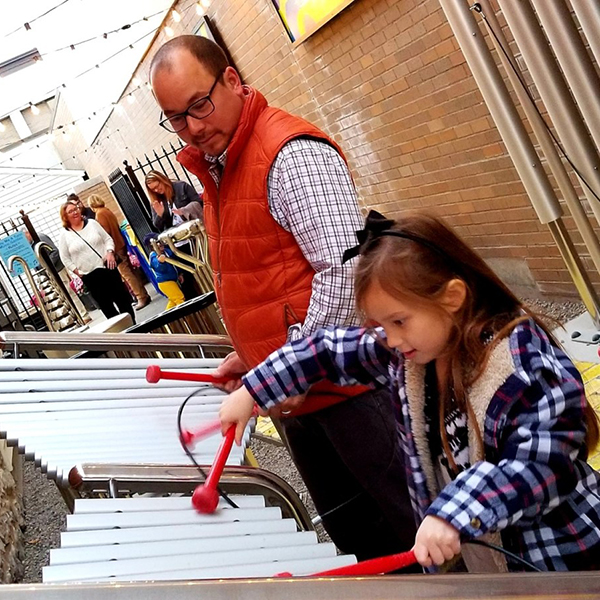
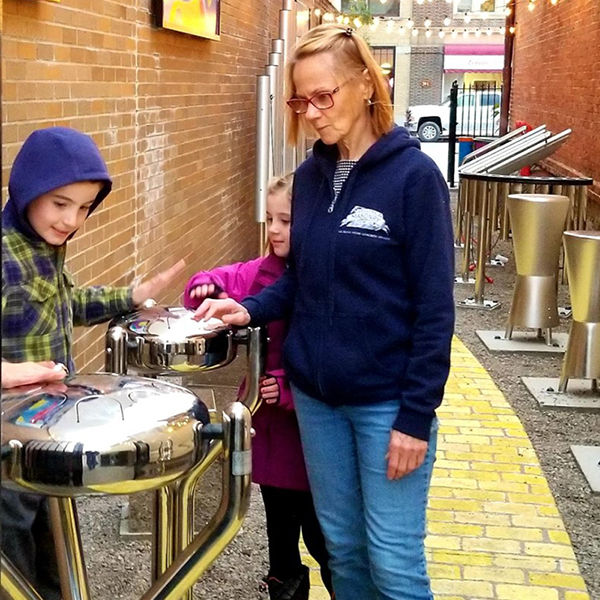
Father and Daughter playing on a large outdoor metallophone in the new Go Art! Play Me A Tune Music Garden

Real Life Examples

At Percussion Play, we've seen these principles brought to life through outdoor music projects that have helped communities reimagine and rejuvenate their public spaces.

In Versailles, Indiana, work to revitalize the downtown area was shaped by the community itself. Residents were asked what they wanted to see through an “I wish this was” campaign, helping inform plans for a Pocket Park and activities designed to bring life back into the town center. Outdoor music became part of this wider transformation, offering another reason to gather, linger, and experience downtown differently.

Read the Town of Versailles case study

The GO ART! Musical Alleyway offers another example of finding potential in an unexpected place. An easily overlooked alleyway was transformed through music and creativity into a destination for exploration and interaction. It demonstrates that rejuvenating a community doesn't always require building something completely new. Sometimes it begins with seeing the spaces we already have differently.

Read the Go ART! Vibrant Musical Alleyway case study

These projects illustrate an important aspect of placemaking: sometimes the opportunity isn't to create more public space, but to unlock the potential of existing space.

Bringing Nature, Creativity and Community Together

Many successful third places are outdoors. Parks, community gardens, greenways, library courtyards, public gardens, and neighborhood green spaces provide informal environments where people can gather, pause, and spend time together.

Nature adds another dimension. Green spaces can provide opportunities to step away from busy, increasingly screen-based routines, while creating settings that support relaxation, recreation, creativity, and social interaction.

But the presence of green space alone doesn't necessarily create community. Giving people opportunities to participate can make the difference.

Community events, gardening projects, public art, storytelling, performances, play, and other creative activities all offer reasons to engage with a place and the people in it.

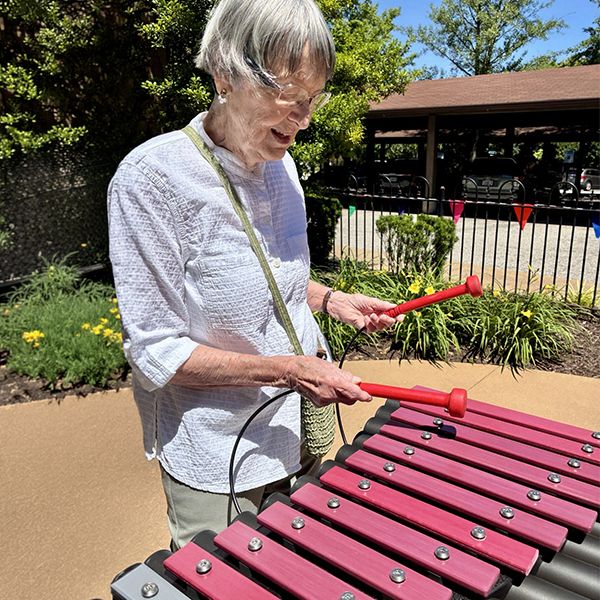
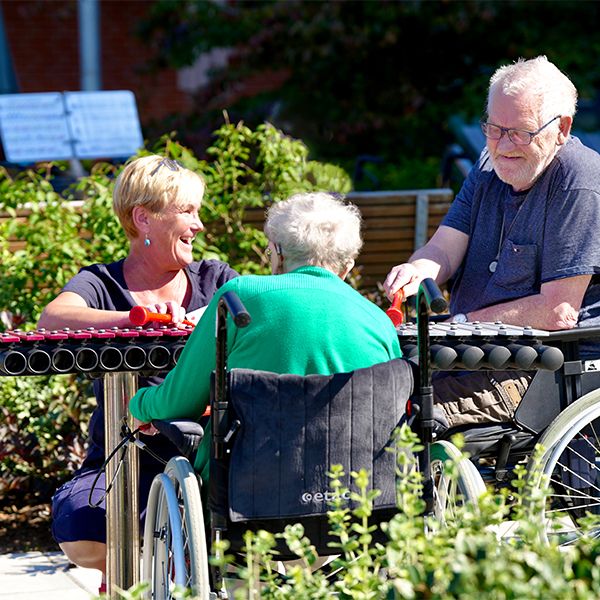
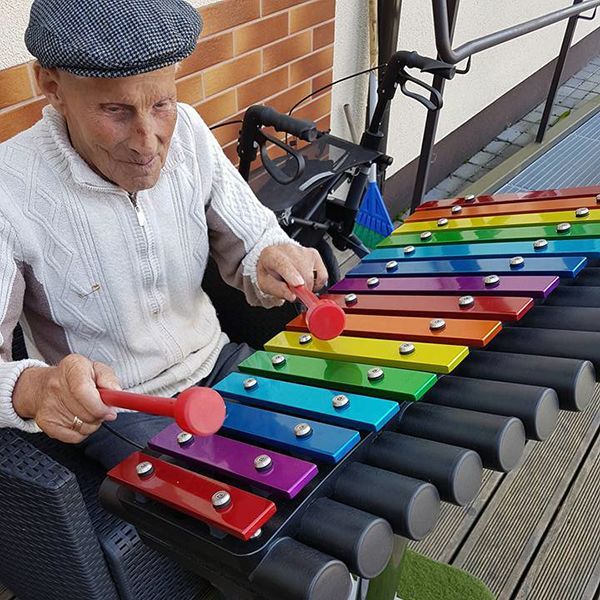
Music can be particularly effective because participation doesn't need to depend on age, language, musical training, or previous experience. It's something we've seen repeatedly through our work in parks, libraries, gardens, downtown districts, trails, and other community spaces: outdoor music gives people a reason to stop, explore, and interact with both the space and the people around them.

A shared rhythm or simple melody can provide an immediate invitation to join in, creating interactions between people who might otherwise have passed one another without speaking.

In a park, trail, garden, town center, or rejuvenated public space, outdoor music can turn a passive visit into one where people experiment, collaborate, and create something together. What starts as a creative encounter can become a conversation, and what starts as a conversation can become a connection.

Young broher and sister playing a stainless steel outdoor tongue drum in the new Go Art! Play Me A Tune Music Garden
A child with braided hair plays an outdoor musical instrument, holding red mallets, while others watch in a park with autumn trees.

Designing Places People Want to Return To

Creating a successful third place is about more than benches, pathways, planting schemes, or amenities. It is about creating an environment where people feel welcome and have reasons to return.

Distinctive installations, gardens, artwork, events, and creative features can give a space its own identity and provide experiences people associate with their neighbourhood and want to share with others.

Good design alone cannot manufacture a sense of community, but thoughtful placemaking can create the conditions in which community can flourish.

Over time, familiarity can grow into connection, and connection can grow into belonging.

Building Places Where Community Can Happen

As communities respond to social isolation, changing town centers, remote working, digital lifestyles, and the need for stronger local connections, third places deserve greater attention.

These are the spaces where strangers become familiar faces, where creativity sparks conversation, where people reconnect with the outdoors, and where neighborhoods develop a stronger sense of identity.

Whether it's a library courtyard, community garden, rejuvenated alleyway, revitalized town center, neighborhood park, or outdoor music space, the best third places share one important characteristic: they give people a reason to come together.

In a world where so much can now be done without leaving home, creating places that make us want to come together may be more important than ever.

Instruments Featured in Go Art! Music Alleyway

Five Teenagers dressed in yellow t-shirts playing an outdoor musical instrument in Syracuse USA

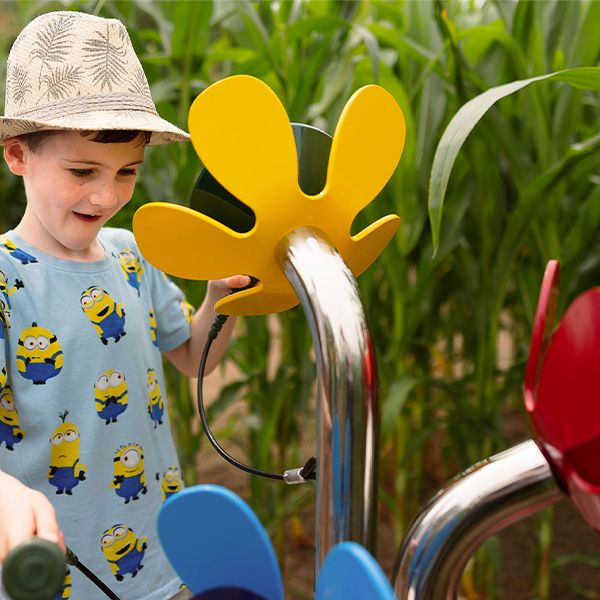
Papilio

Papilio Bells combine butterfly-inspired design with three octaves of resonant sound, creating an inclusive outdoor musical experience.

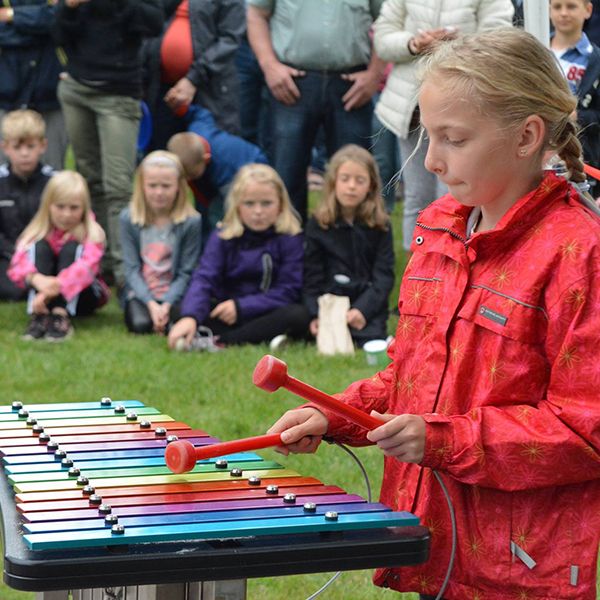
school girl playing colourful outdoor xylophone in a school playground

Capella

Discover the Capella Diatonic Outdoor Xylophone with 15 vibrant notes tuned to C Major. Perfect for all ages, it inspires creativity in music for everyone.

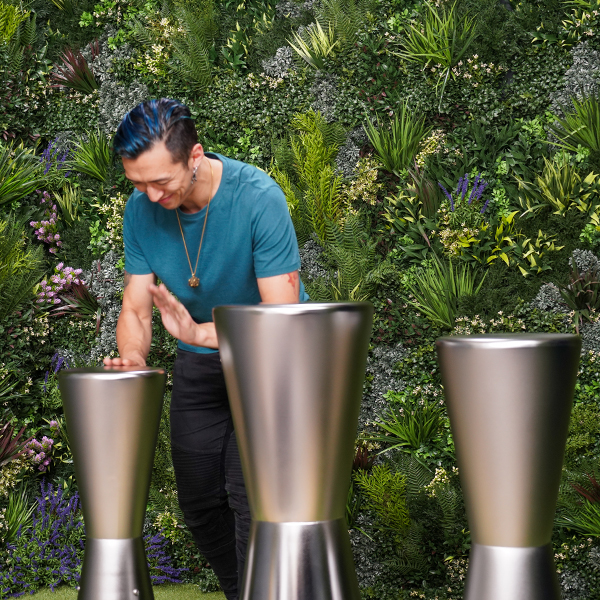
A person with blue hair smiles while playing sleek, metallic outdoor djembe drums in a lush, green garden setting, conveying joy and creativity.

Djembes

Outdoor Djembes bring authentic hand drumming, rhythm and social interaction to parks, plazas and community gathering spaces.

three young men sitting on stainless steel cajon percussion drums in an outdoor shelter

Cajon Drum Circles

Cajon Drum Circle brings people together through rhythm, encouraging social interaction, collaborative play and shared musical experiences.

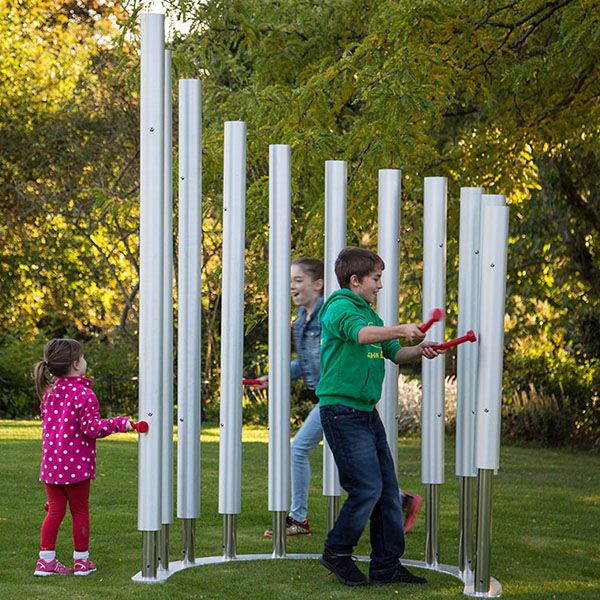
three children running around and hitting huge silver chimes in a playground

Colossus Chimes

Explore Colossus Chimes, a set of 11 outdoor pentatonic chimes designed for sensory gardens and inclusive playgrounds, offering powerful resonant sound.

Tree line
Man playing instrument

By clicking "Subscribe", you confirm that you have read and accepted our Terms and Conditions, Privacy Policy and Cookie Policy.

Thank you! We have added you to our newsletter mailing list.