Music in Unexpected Places - How Outdoor Musical Instruments Can Transform Underused Urban Spaces
Outdoor musical instruments are an increasingly effective tool for local authorities, charities, and city planners seeking to revitalize underused or neglected public spaces.
From overlooked alleyways and inactive plazas to forgotten corners of parks, integrating music into the landscape offers a low‑cost, high‑impact approach to placemaking. These interventions can transform underutilized areas into vibrant, inclusive destinations that encourage creativity, social interaction, and community pride.
Reactivating Underused and Transitional Spaces
Across towns and cities, there are countless spaces that lack purpose or identity - areas people pass through rather than stop and enjoy. Outdoor musical installations provide a simple yet powerful way to activate these transitional spaces, encouraging footfall and increasing dwell time. Pocket music parks and small-scale “music stations” can be integrated into:
- Streetscapes and pedestrian routes
- Public squares and plazas
- Park edges and overlooked green spaces
- Redevelopment or regeneration sites
These compact installations require minimal infrastructure while offering high levels of engagement, making them particularly attractive for projects with limited budgets or constrained footprints.
A Practical Approach to Placemaking
For urban planners and community organizations, successful placemaking is about creating environments that are:
- Welcoming
- Interactive
- Inclusive
- Memorable
Outdoor musical instruments support all of these goals. Unlike traditional static features, they introduce participatory public art - inviting people to interact, create, and collaborate in real time. They also contribute to:
- Sense of place - strengthening local identity
- Civic pride - encouraging community ownership
- Activation strategies - bringing life to quiet or underused areas
These installations can act as both a social catalyst and a focal point, helping spaces transition from passive to actively used.
Accessible, Inclusive Engagement for All Ages
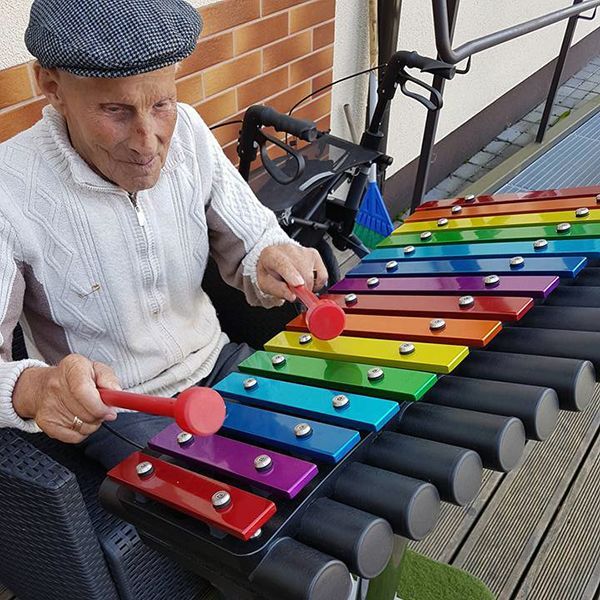
One of the key advantages of outdoor musical instruments is their universal accessibility. Many members of the public do not have regular access to musical instruments, and even fewer opportunities to play them in shared, social environments. By placing instruments directly into everyday public spaces, communities create opportunities for:
- Intergenerational interaction
- Spontaneous play
- Inclusive participation across all abilities
Unlike traditional play equipment, musical instruments appeal to toddlers, teenagers, adults, and older generations alike, making them uniquely effective for inclusive design strategies.
Supporting Community Wellbeing and Social Connection
As public realm design increasingly prioritizes wellbeing, outdoor musical spaces offer measurable social benefits. Research consistently shows that:
- Shared musical experiences strengthen social bonds
- Participatory activities increase community cohesion
- Creative environments support emotional wellbeing
Music is inherently social. When people create music together, barriers are lowered, conversations begin, and meaningful connections are formed. Our white paper Come One, Come All explores how inclusive outdoor music spaces bring together people of all ages, cultures, and abilities - fostering both individual growth and stronger communities.
Real-World Placemaking in Action
Projects worldwide demonstrate how outdoor musical instruments can successfully transform underused spaces. The Go Art! Play Me A Tune Music Garden reimagined an old alleyway as a vibrant cultural destination focused on arts access and after-school programming. What was once a neglected space is now a valued community asset serving an estimated 860 children annually.
Similarly, 'Esquina de Musica' transformed a simple street corner into an engaging, multi‑use public space combining music, movement, and creative play. The addition of outdoor instruments and a dance area created a welcoming environment that encourages community interaction and cultural expression
Music as a Tool for Urban Wellbeing
Beyond placemaking and activation, outdoor musical installations also contribute to the emotional and sensory experience of a place. Music can:
- Interrupt routine journeys
- Encourage pause and reflection
- Evoke emotion and curiosity
- Enhance connection to surroundings
These moments of interaction transform public spaces from purely functional environments into places people want to return to.
A Scalable Solution for Communities and Planners
For charities, councils, and urban designers seeking practical ways to activate space, outdoor musical instruments offer:
- Low ongoing maintenance
- Flexible installation options
- Strong community engagement outcomes
- Broad demographic appeal
Whether implemented as a small intervention or part of a larger regeneration strategy, they provide a scalable solution that delivers lasting social value.
From Forgotten Spaces to Vibrant Places
For city planners, charities, and community organizations looking to unlock the potential of underused spaces, outdoor musical instruments present a compelling opportunity. They turn overlooked environments into destinations, support inclusive participation, and create meaningful, shared experiences that strengthen communities.
In short, they don’t just make spaces more engaging - they make them come alive!
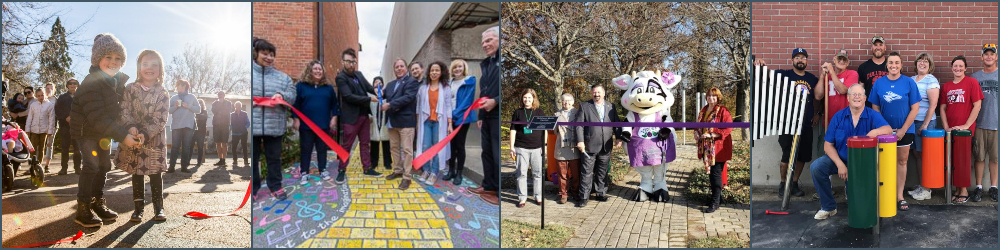
Looking to transform an underused space? Explore 'real projects and ideas to inspire your own:
By clicking "Subscribe", you confirm that you have read and accepted our Terms and Conditions, Privacy Policy and Cookie Policy.